CITYGRID
city archive

Why it looks like this
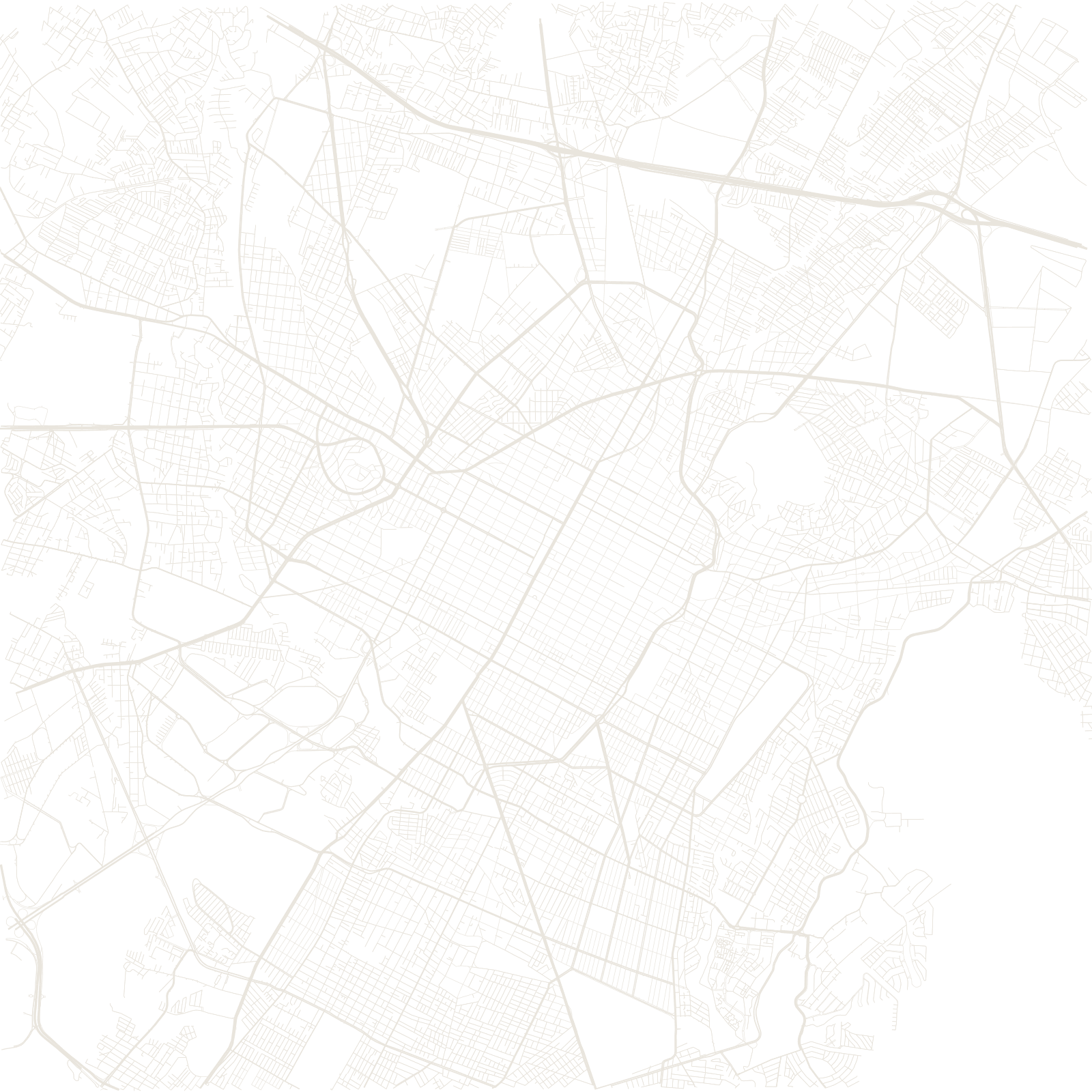
Most great Mexican cities stand on indigenous predecessors; Puebla was the experiment in starting fresh. Spanish friars chose an unoccupied valley site between the port road and Mexico City and laid a textbook checkerboard in 1531 — wide blocks, central plaza, cathedral — meant as a city for Spanish settlers and a model of colonial order.
The volcanoes Popocatépetl and Iztaccíhuatl stand on its horizon, and the grid still reads perfectly: the historic centre, with its tiled churches and the first public library in the Americas, was inscribed by UNESCO in 1987.
1531founded on empty ground
1987UNESCO listed