CITYGRID
city archive
Why it looks like this
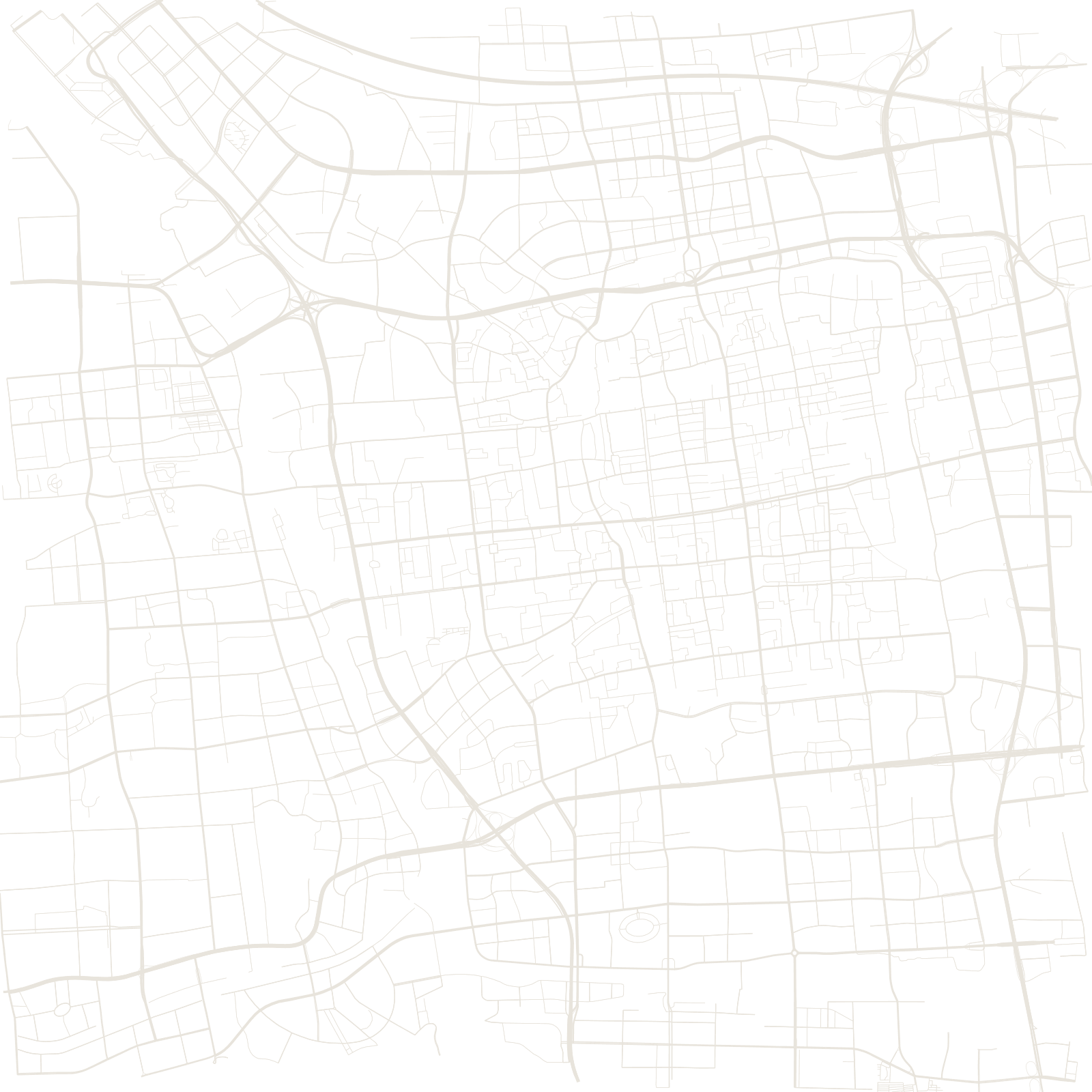
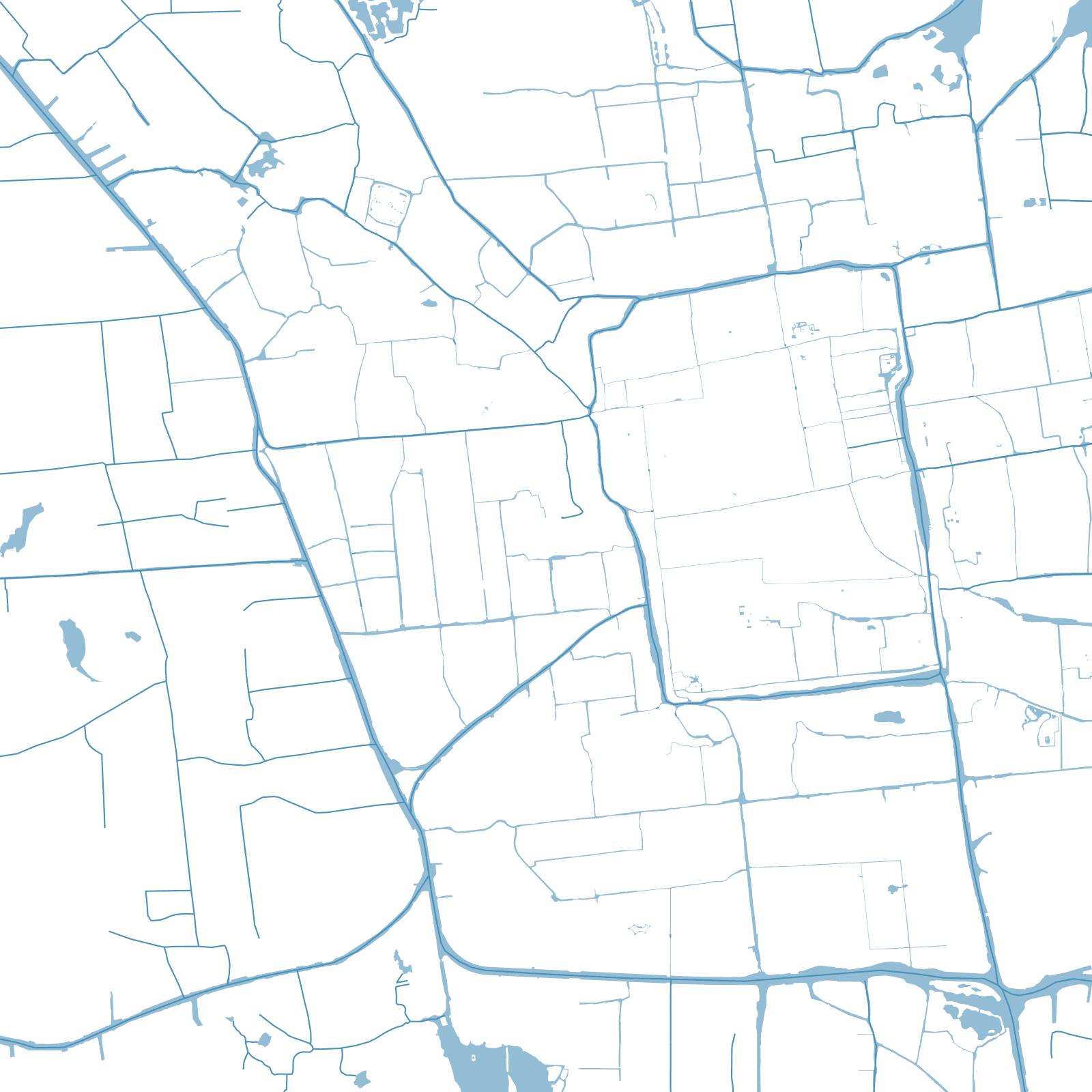
The Pingjiang map, engraved on a stone stele in 1229, shows Suzhou as a double chessboard: streets and canals side by side, crossing at right angles, ringed by a moat. Walk the Pingjiang Road quarter today and you are inside that drawing — the same blocks, the same waterways, the same bridges' positions.
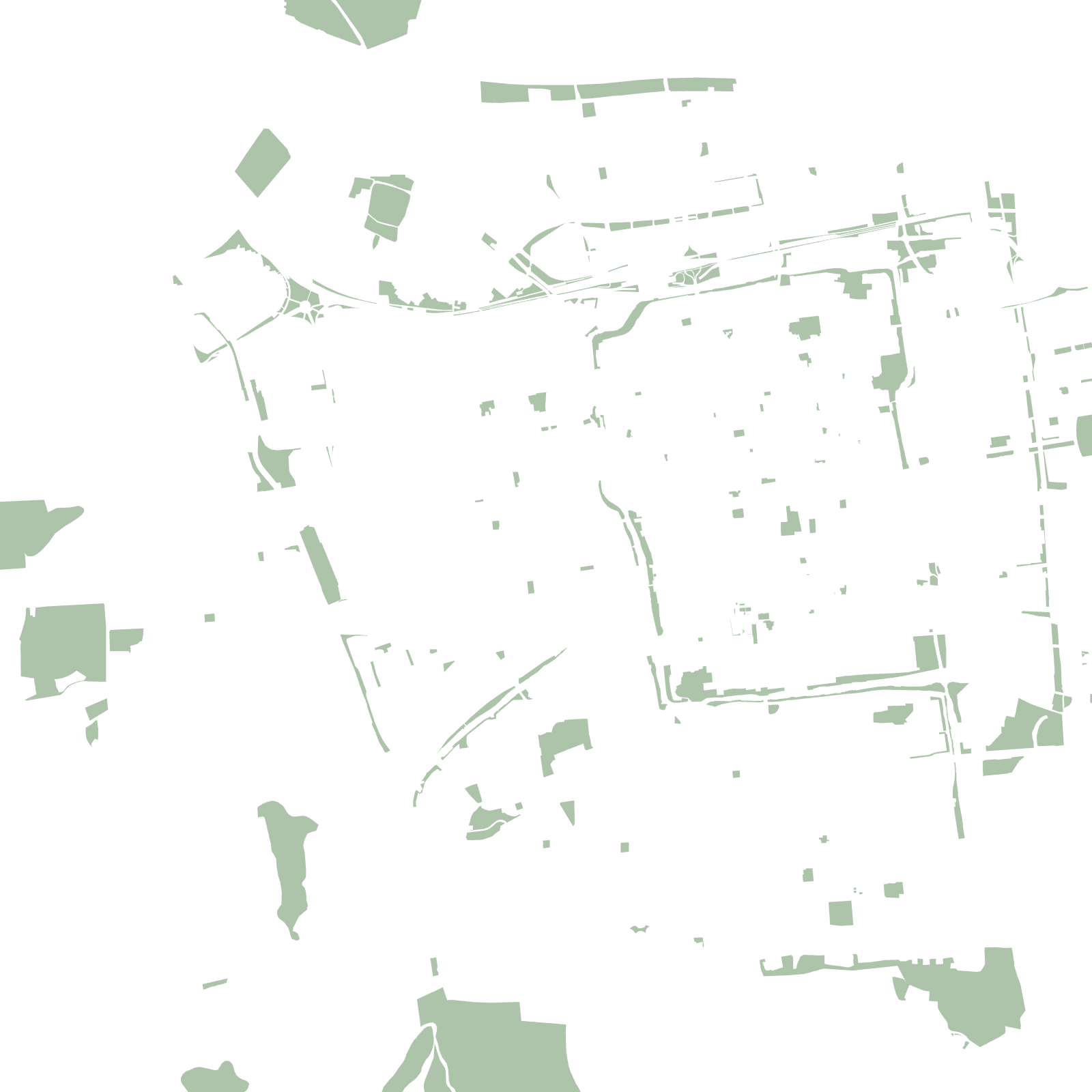
Suzhou grew rich on silk and scholars, who left the city its other treasure: the classical gardens, nine of them now UNESCO-listed, hidden behind white walls inside the grid. The modern city kept the old town low and built its skyscrapers in new districts on either side, so the 2,500-year-old plan still reads clearly at the centre.
1229stone map still accurate
9UNESCO classical gardens